
In Asmadan
A cultural heritage that traces the 9,000-year history of viticulture in Anatolia, bridging the past and the present
As soon as people learnt to grow olives and grapes, they emerged from barbarism
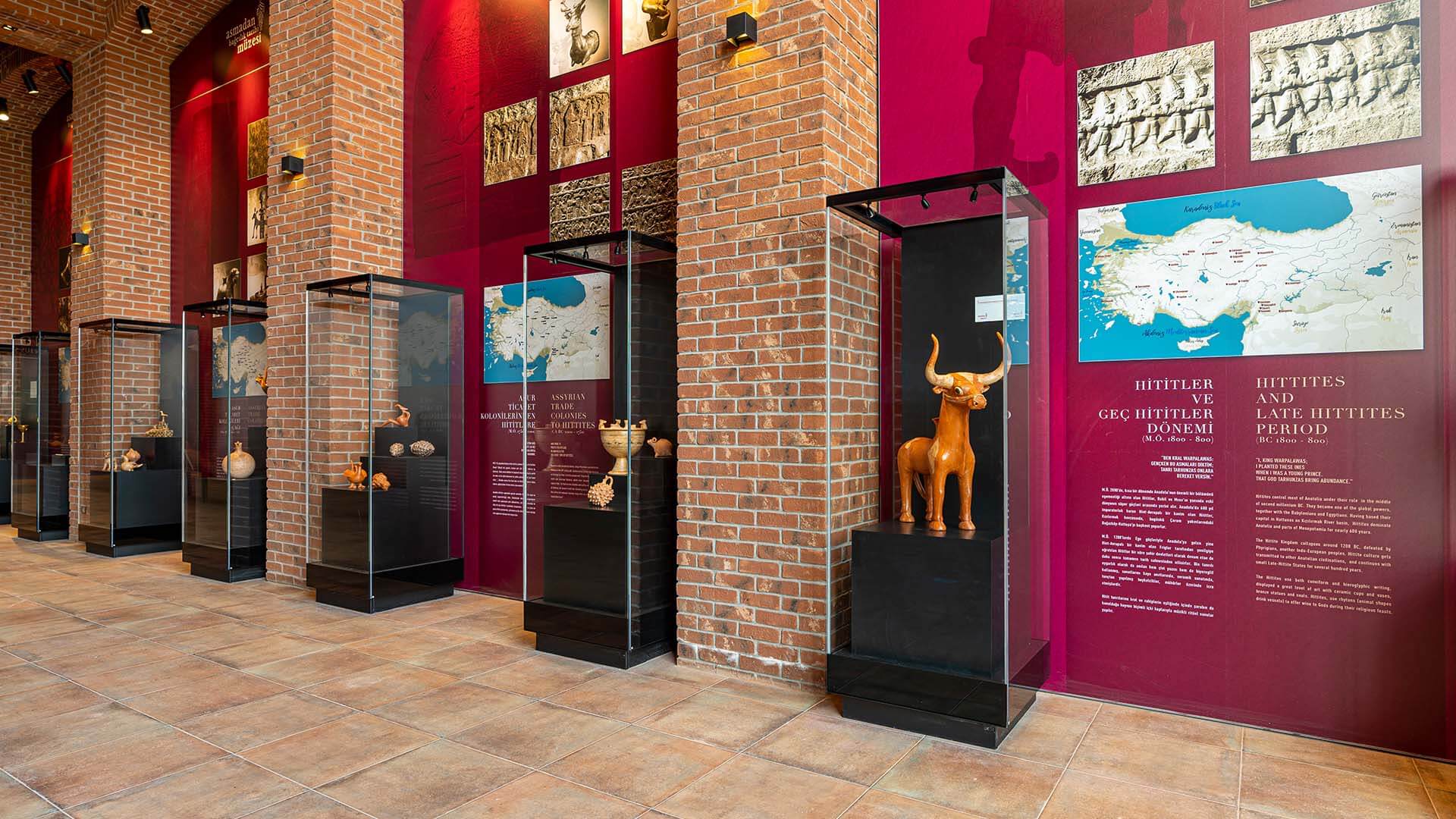
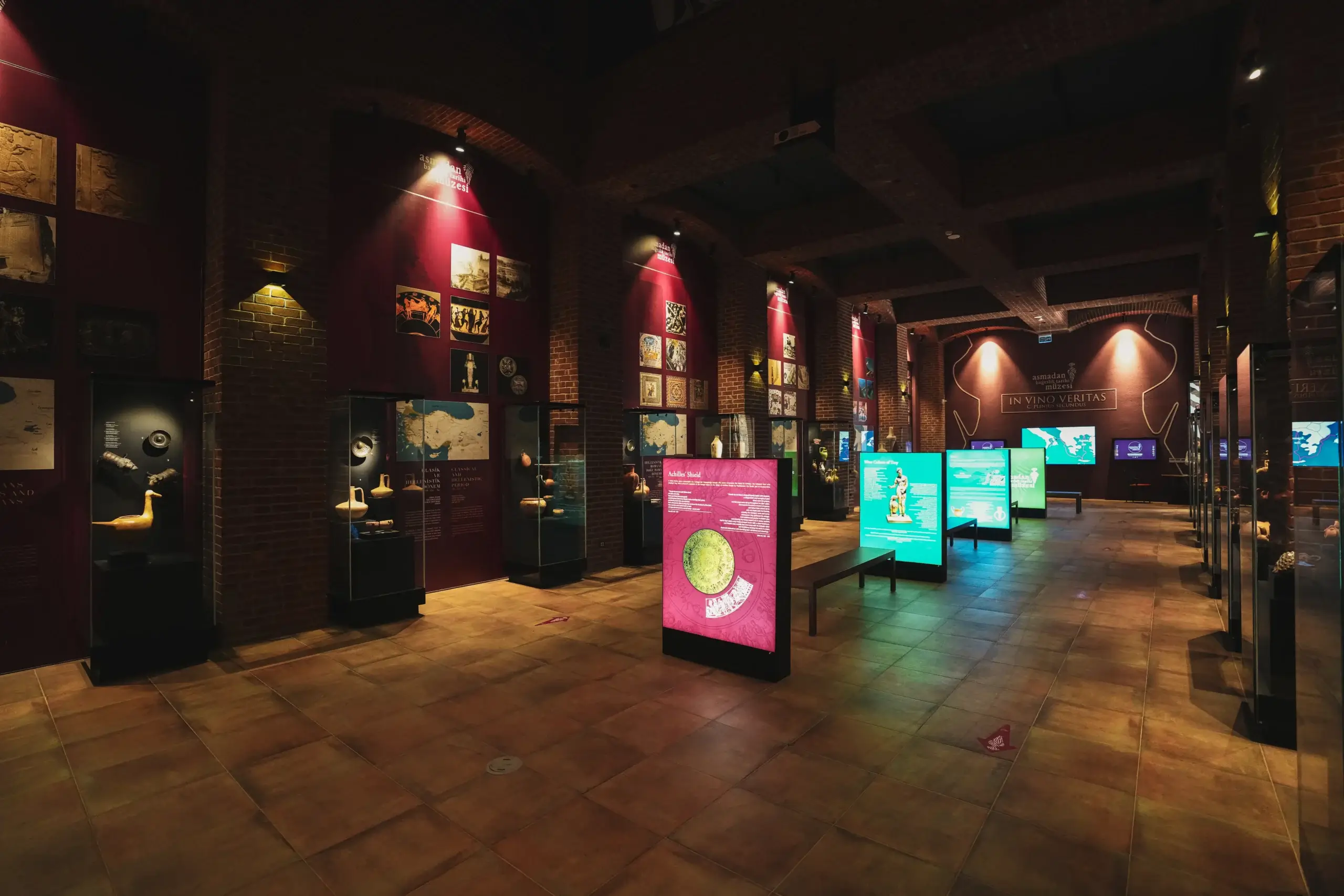
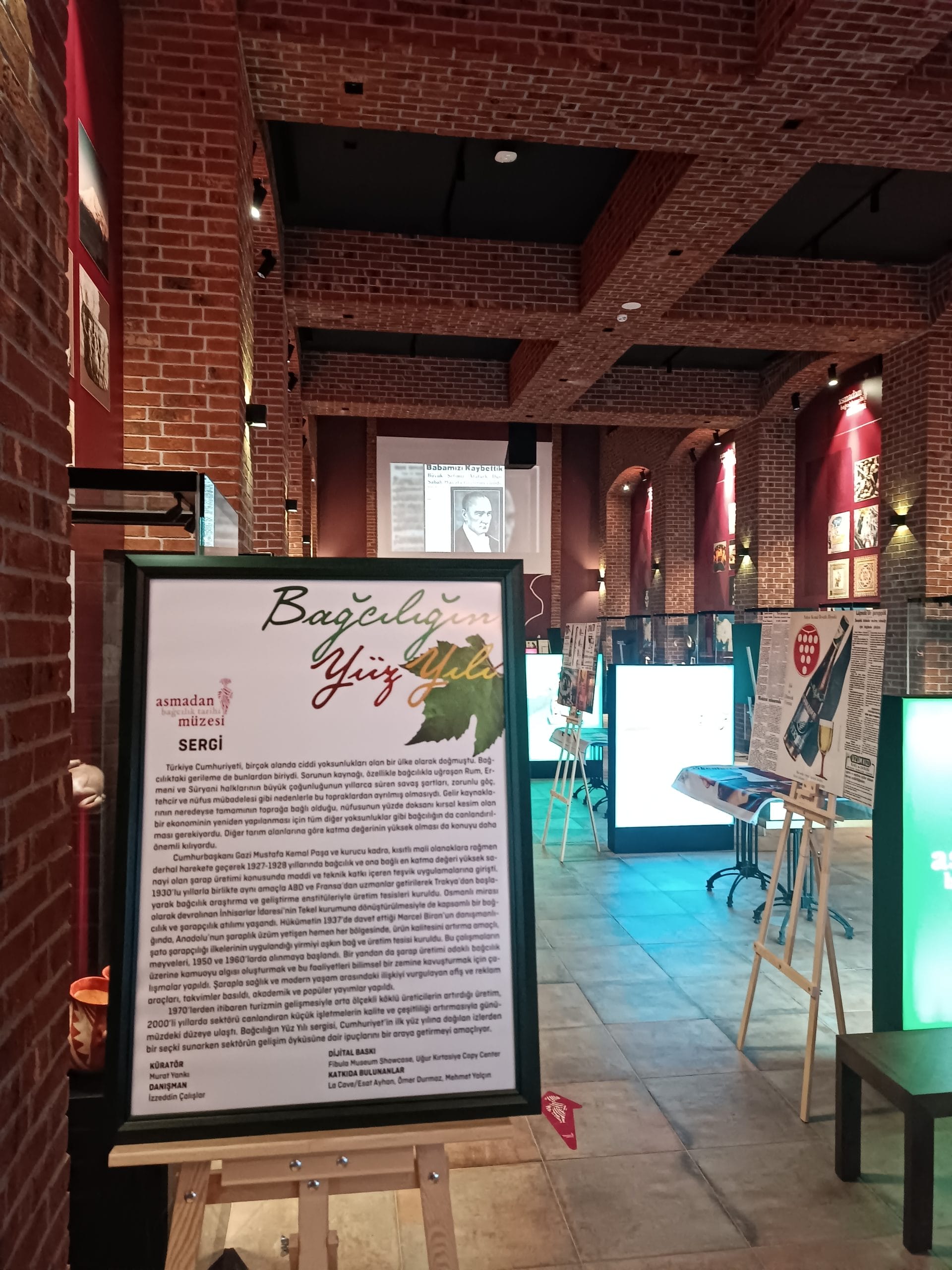
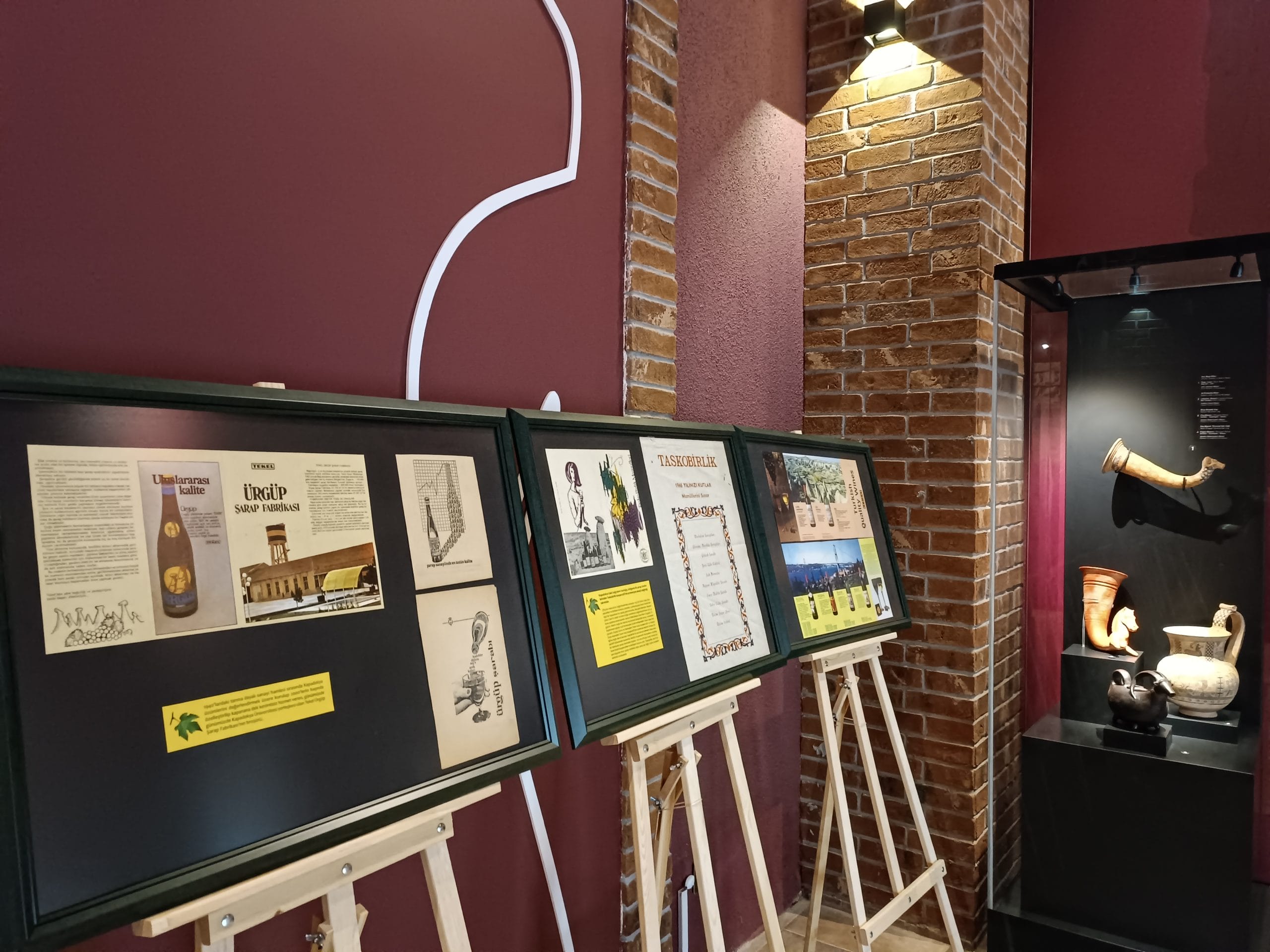
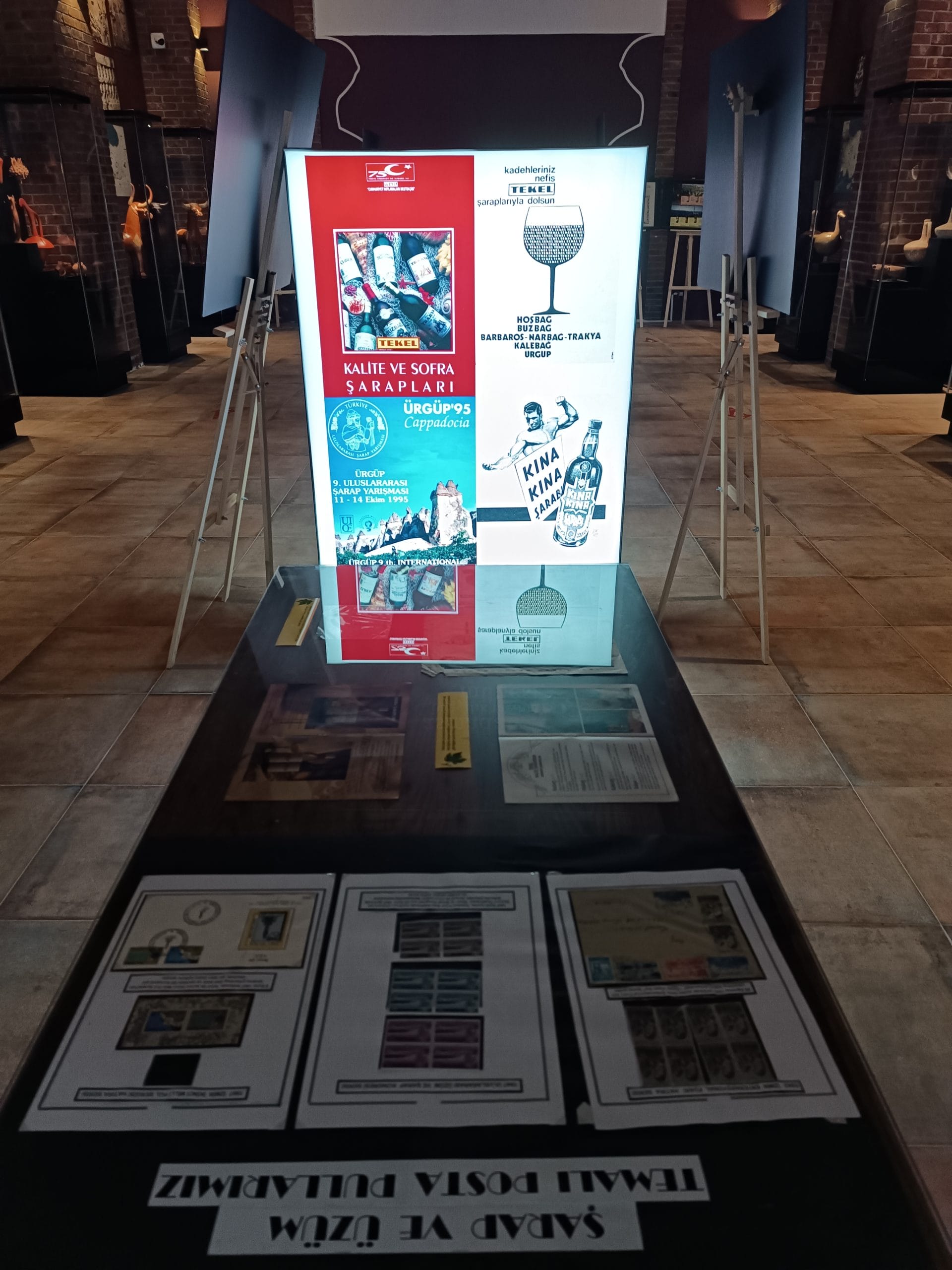
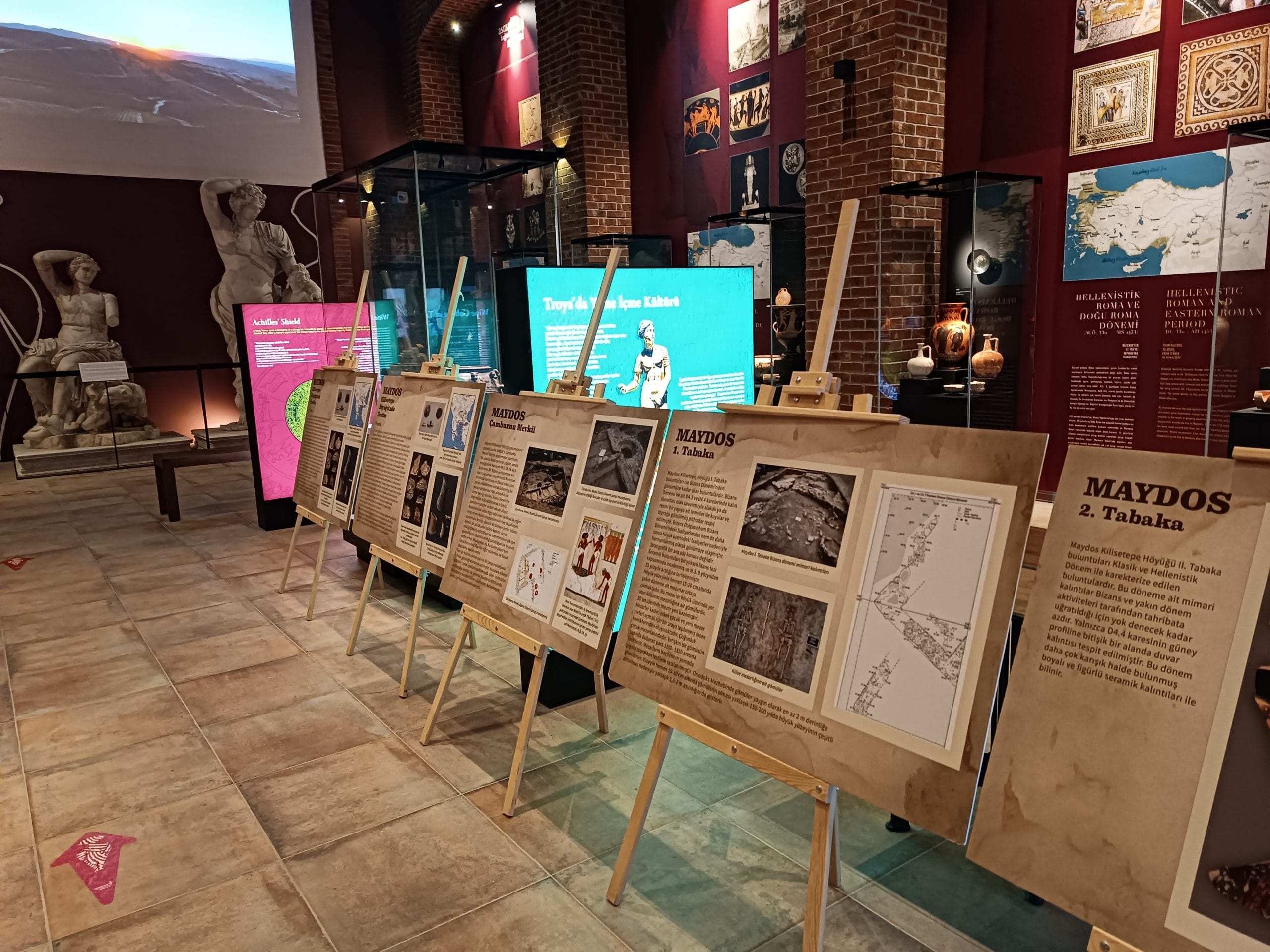
Bengodi, a viticulture and wine tourism complex, is also home to the Ministry of Culture and Tourism’s Special Museum of the History of Viticulture, which is Turkey’s first museum of its kind.
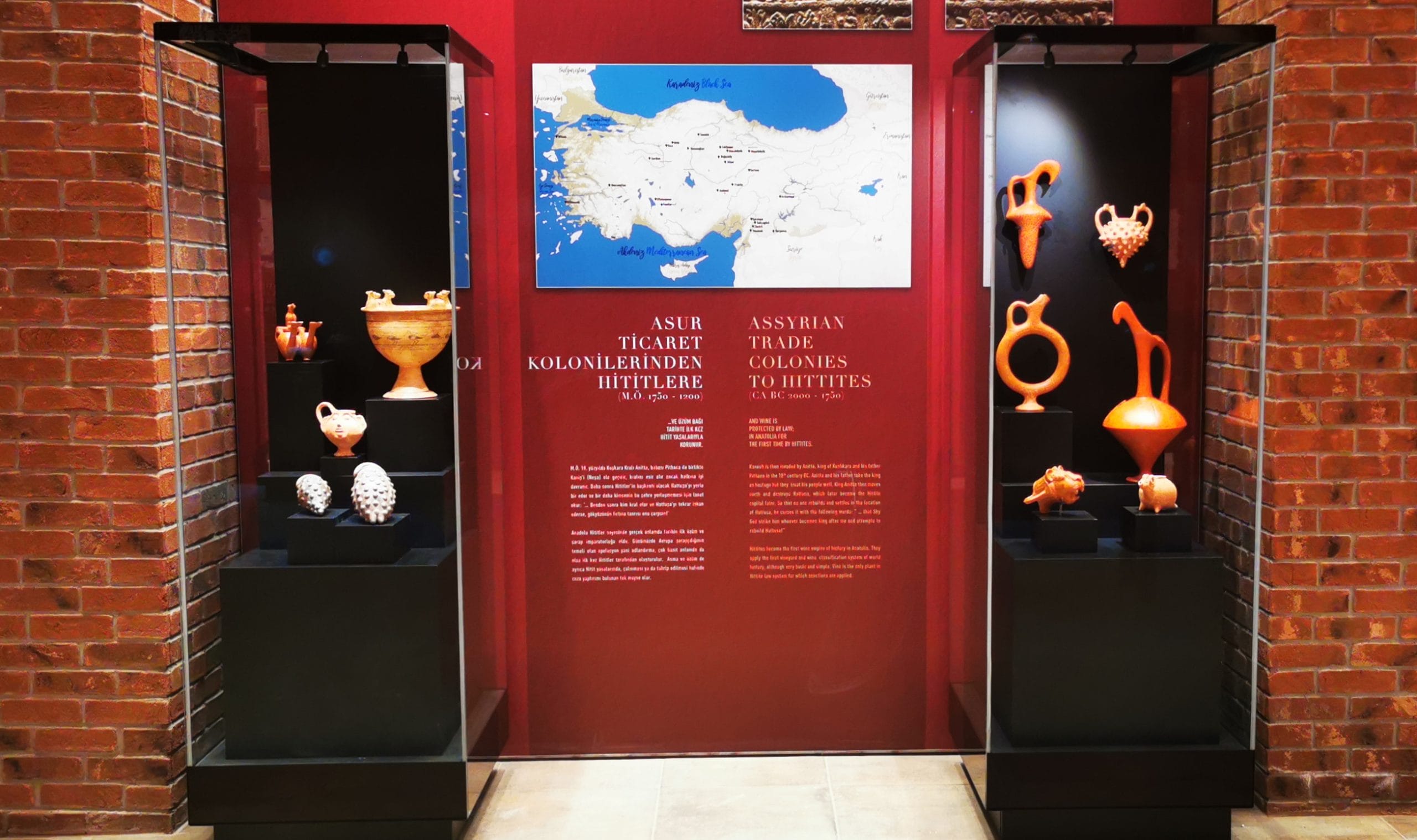
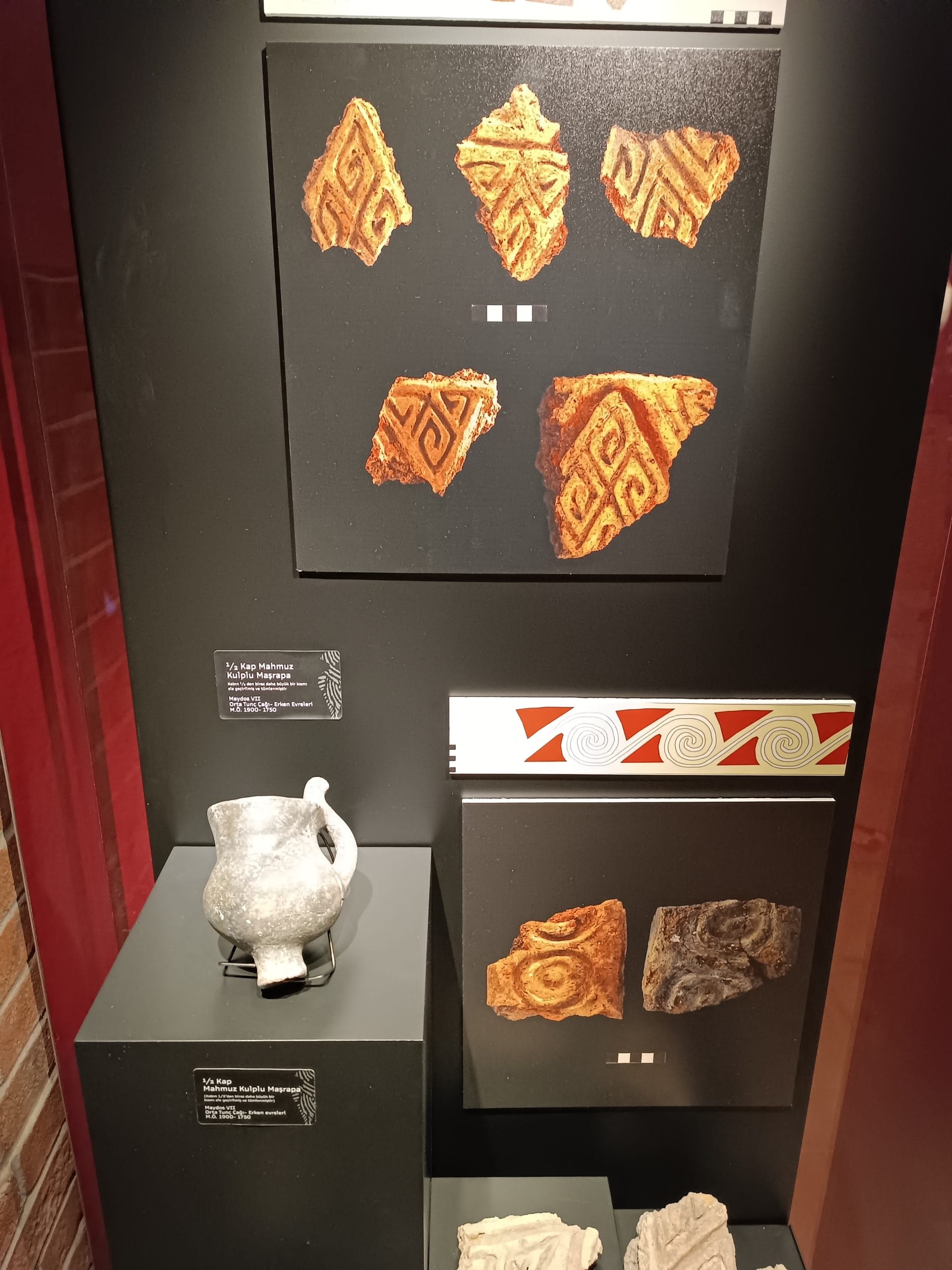
The museum aims to recount the 9,000-year history of viticulture in Anatolia and Trakya by displaying over 100 artefacts—both originals and replicas—in chronological order.
The Asmadan Museum is open every day of the week from 09:00 to 19:00 and admission is free.
"When people learnt to cultivate olives and grapes, they emerged from barbarism." These lines are attributed to the historian Thucydides, who lived in the 5th century BC. He may not have known it, but this great revolution in nature took place on the lands of Anatolia. The vine and its fruit, the grape, were first cultivated in the eastern part of Anatolia, the Caucasus and northern Mesopotamia at almost the same time.
It was on this very basis that our museum was established, with the aim of recounting the history of Anatolia’s ancient civilisations. Not to demonstrate civilisation’s domination over nature, but to illustrate the history of the vine—the plant that best teaches humanity to live in harmony with nature and to respect it—in these lands. We sought to tell this story through a 9,000-year-old narrative.
We carried out this project in collaboration with our country’s leading artists specialising in replicas. Guided by the principle that our museum should not be merely a ‘replica museum’ but should also display genuine works, we have included numerous original artefacts from the Hellenistic and Roman periods in the exhibition.
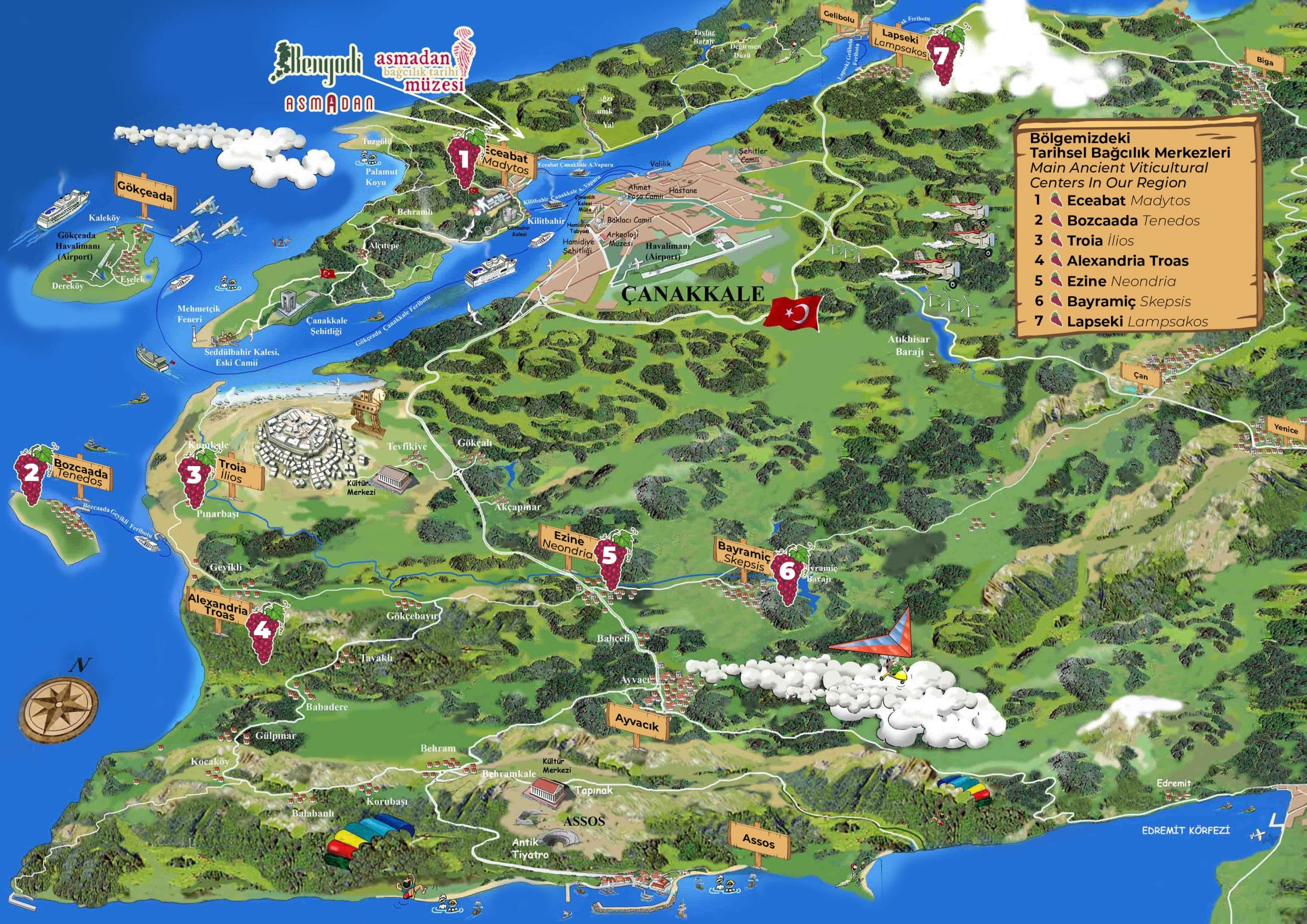
The story of Troy is also the story of the Dardanelles, also known as the Strait of Çanakkale. For one of the aims of the Achaean army, which attacked Troy—also known as Ilion—was to cross the strait and reach the Black Sea to the north.
This story is recounted in the epic poem *The Iliad*, compiled by the Izmir-born poet Homer 2,700 years ago. *The Iliad* also describes in great detail the feasts, banquets and the wine consumed by the Achaeans besieging the city and the Trojans defending it.
Almost 3,000 years after the Trojan War, viticulture is practised in these lands and exquisite wines are produced. We wanted to build a bridge between the wines of Homer’s *Iliad* and the present day, and to this end we have planned a route stretching from Gallipoli and Eceabat to Troy and to the ancient Tenedos, now known as Bozcaada.
Articles from the dusty shelves of history
Witnesses to 9,000 years of viticulture
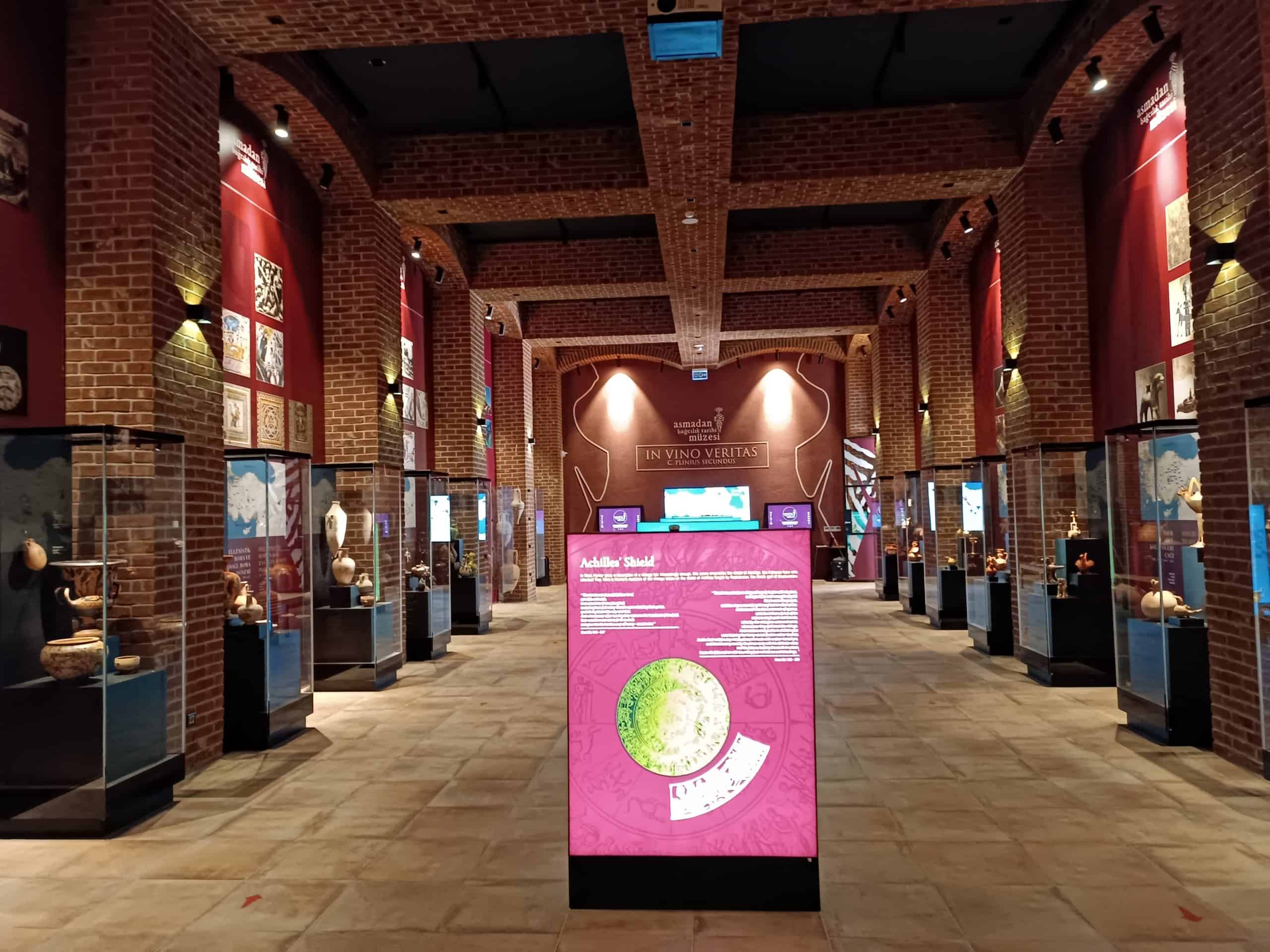
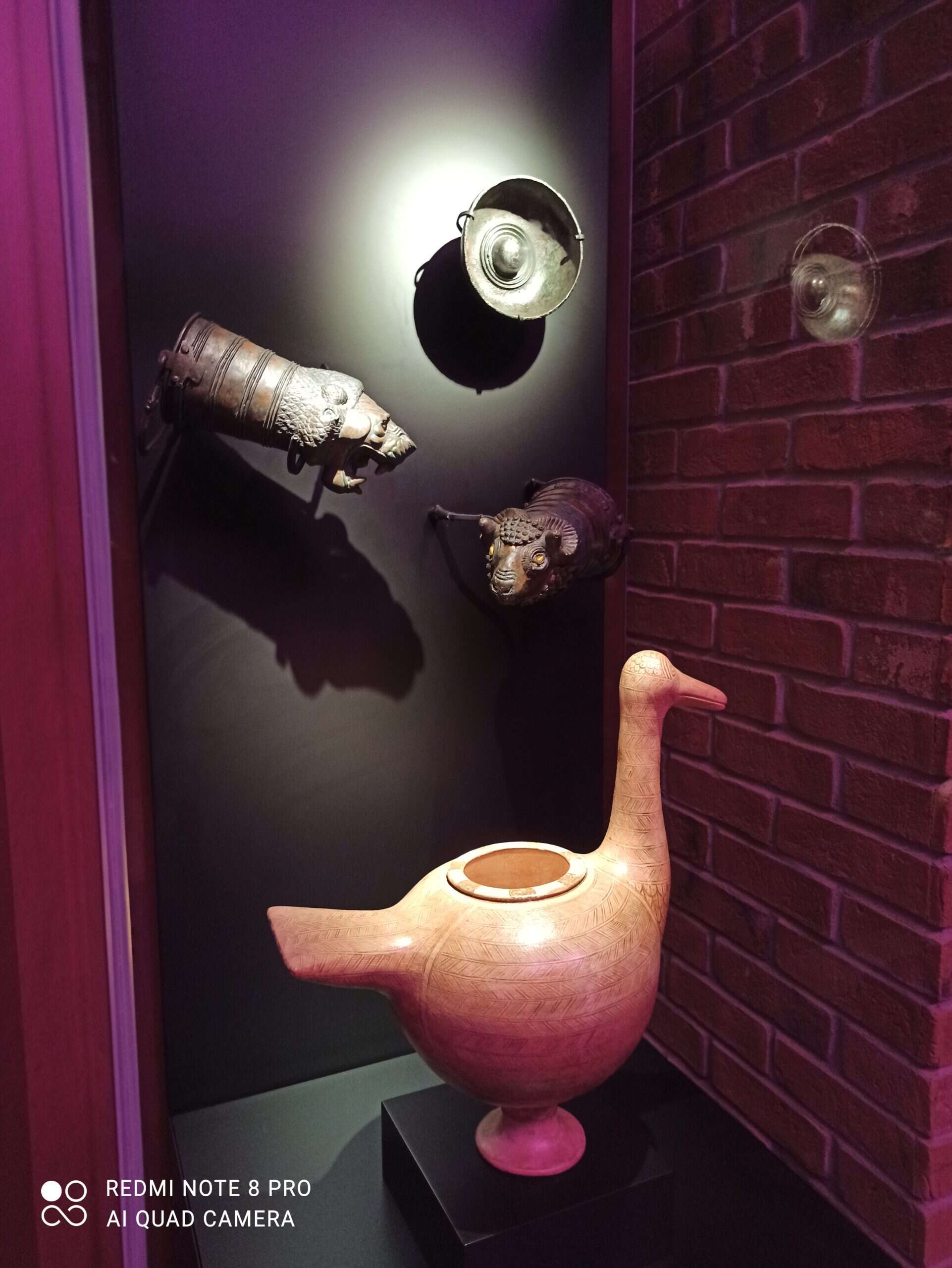
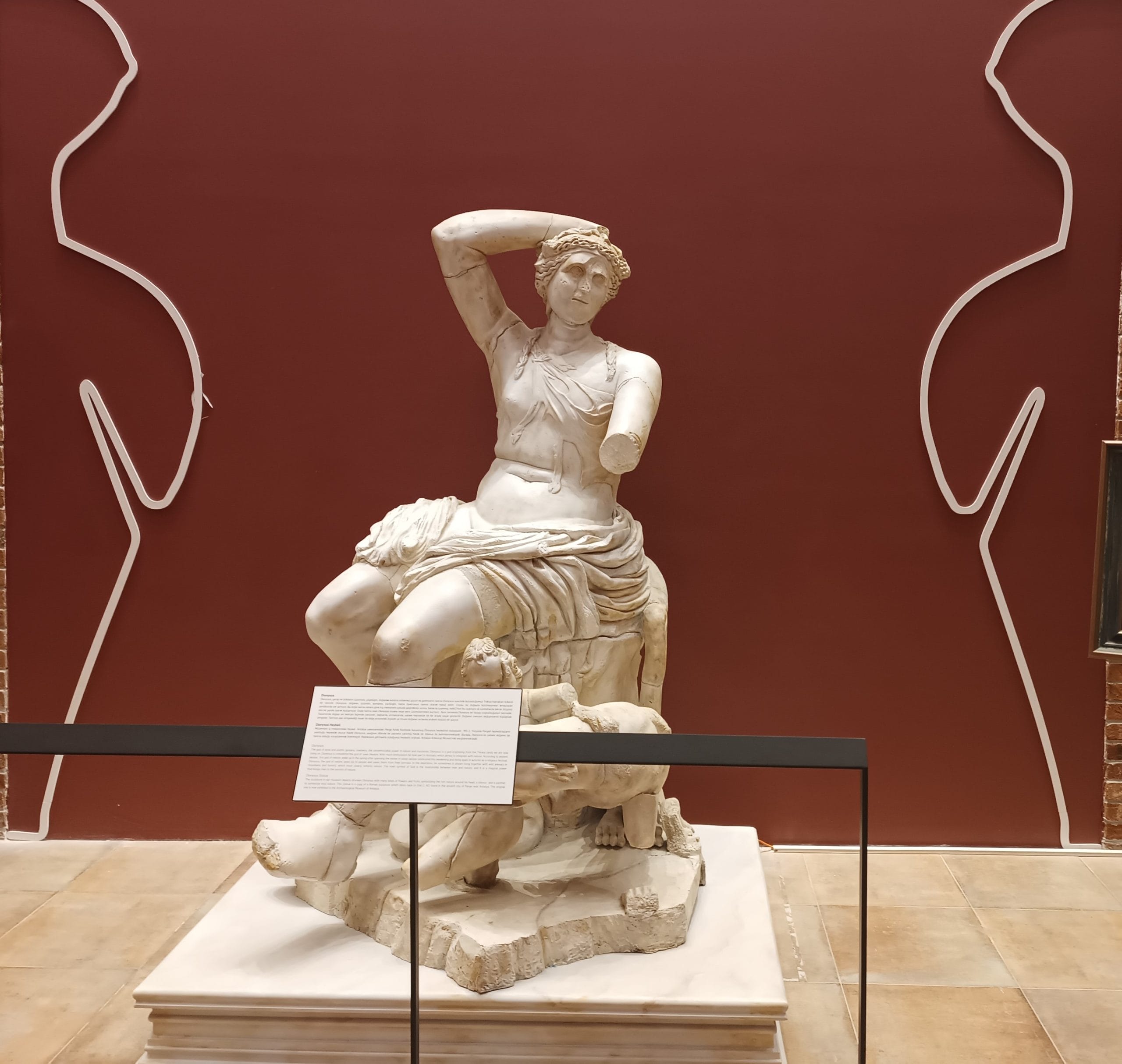
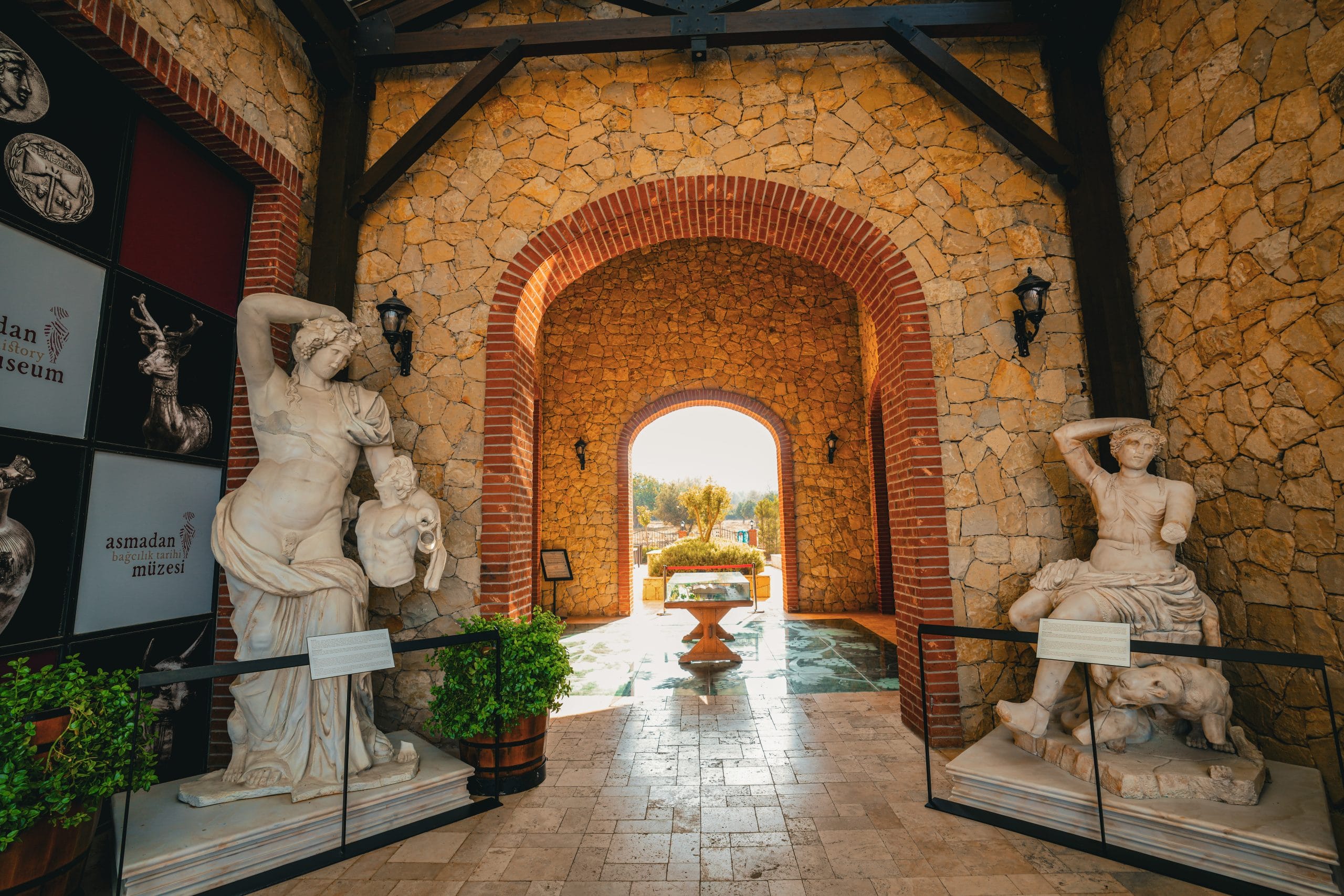
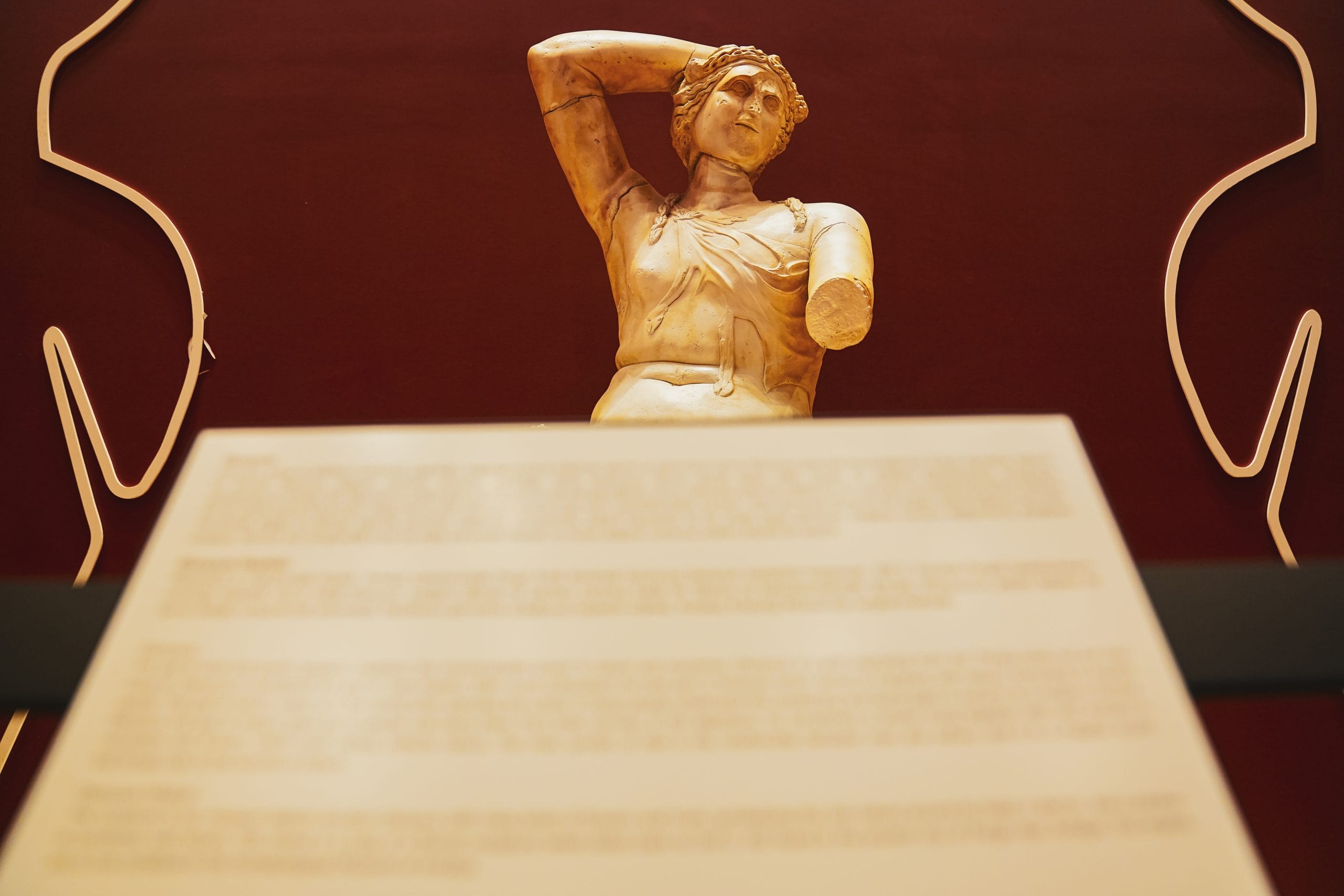
A first in Turkey
Original examples of Anatolia’s oldest drinking vessels are displayed in the same collection as the exceptional finds ranging from Nevali Çori to Hacılar.
A unique historical account tracing the journey of viticulture culture from the earliest human-figured vessels of the 8th millennium BC to the Roman period.
A unique opportunity to discover rare ceremonial drinking vessels, such as the gold vessels of the Hatti culture and the multicoloured Hacılar pottery, all together for the first time in Turkey.
The journey of the vine in Anatolia
Vines and grapes were first cultivated in eastern Anatolia, the Caucasus and northern Mesopotamia.
The Lydians began establishing vineyards and producing wine in Anatolia.
The Phrygians developed wine production; traces of wine were found in the tomb of their king, Midas.
During the Hellenistic period, viticulture and wine production reached their peak.
During the Roman Empire, Anatolian wines were exported all over the world.
Asmadan Vineyard Museum was established to preserve and pass on this 9,000-year-old heritage.
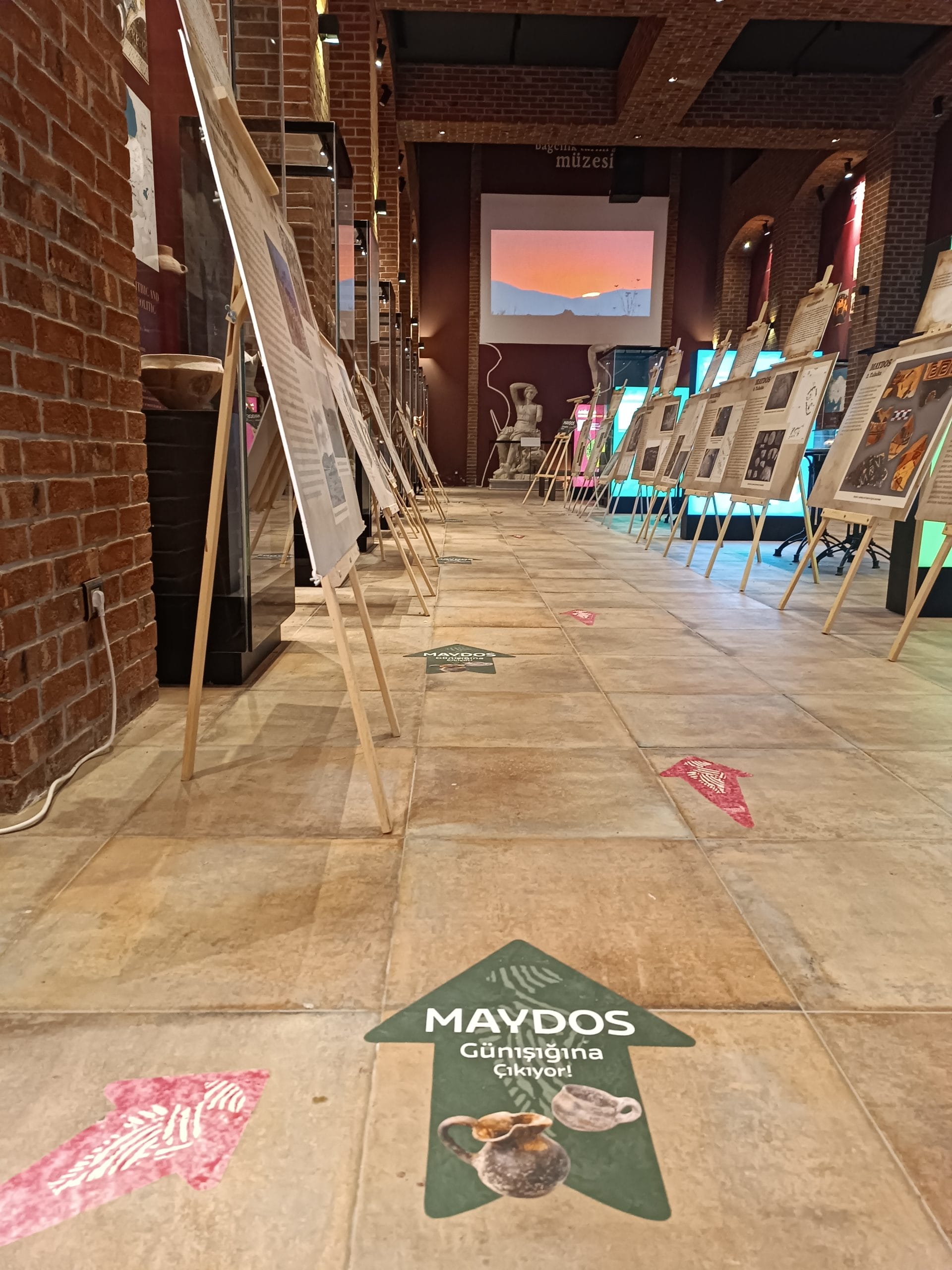
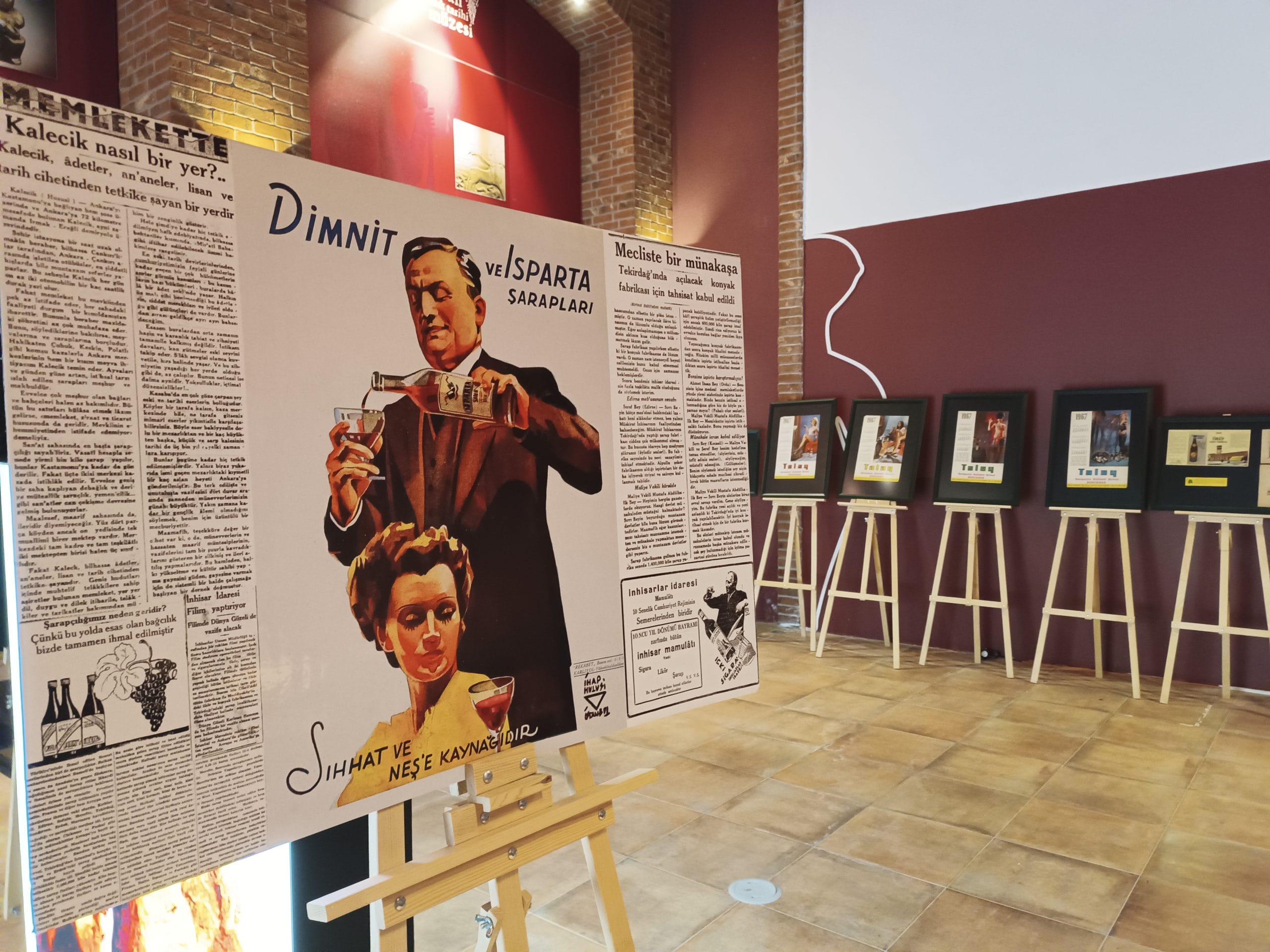
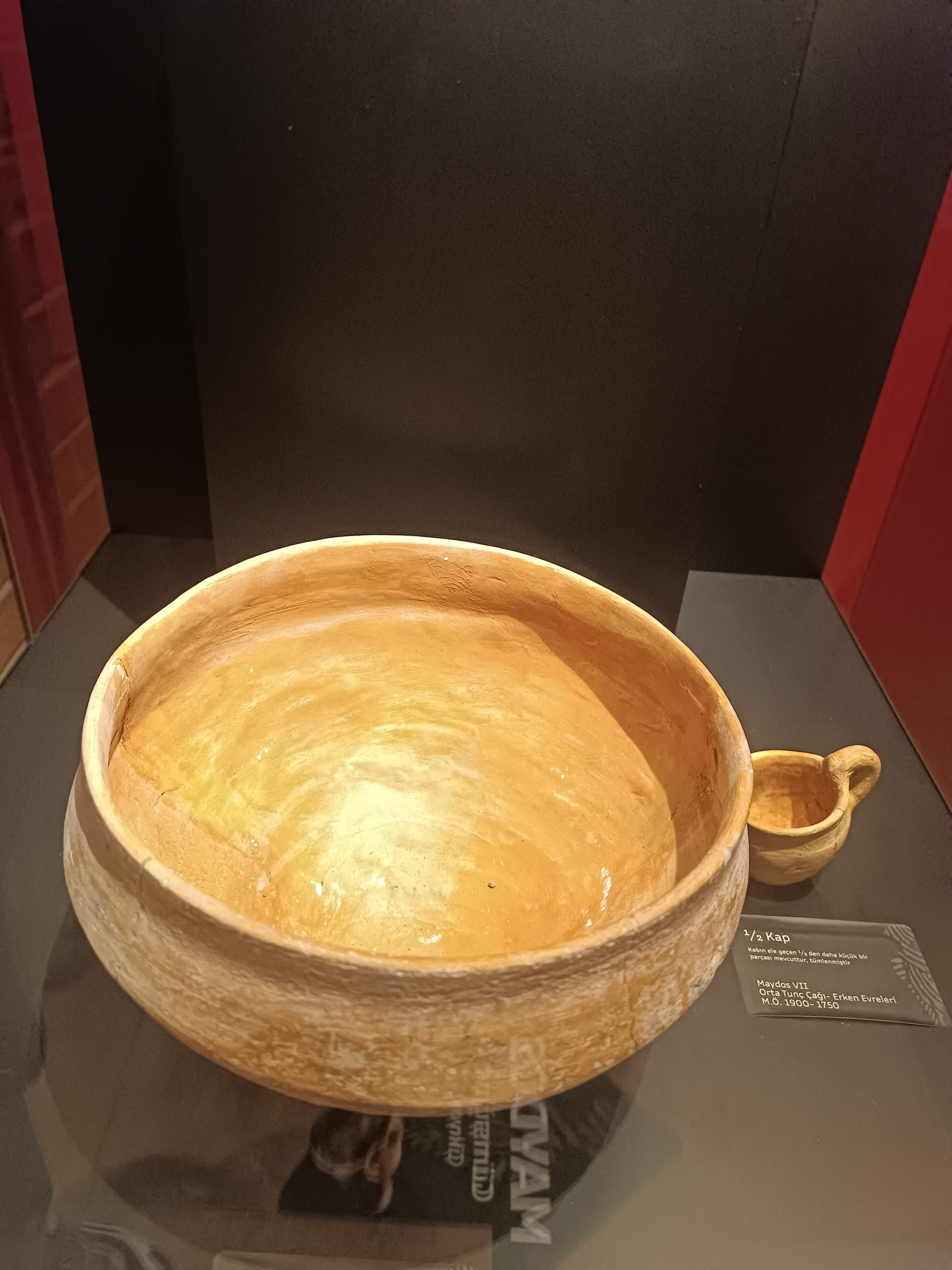
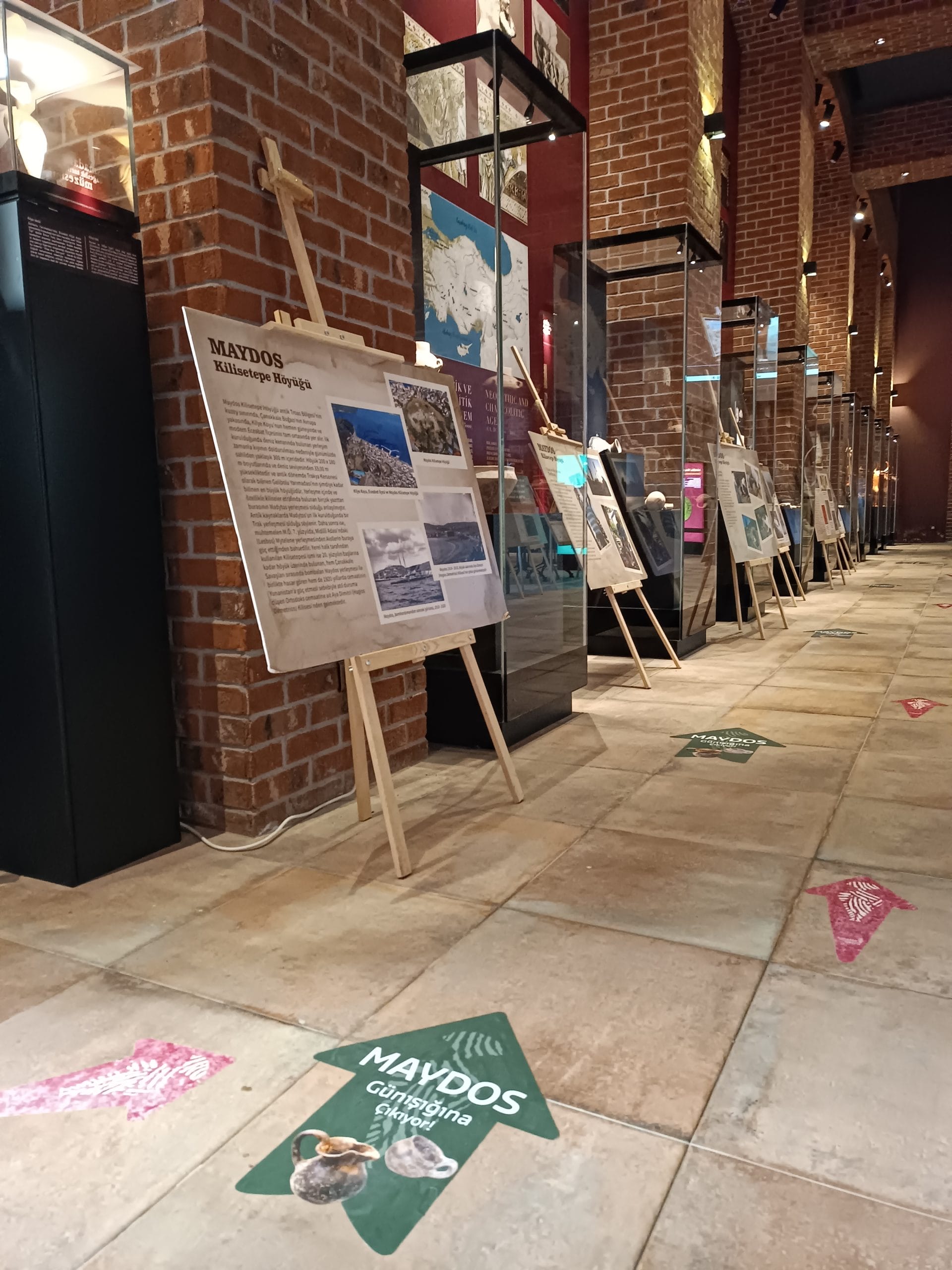
Visit our museum to discover 9,000 years of Anatolian viticulture and view our unique collection. Please contact us for information about our guided tours.